
Addressing Concerns About FLOCK Cameras: Embracing Technology for Safer Communities
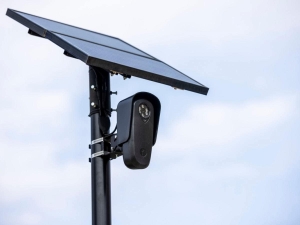

It frustrates me when well-meaning people, instinctively oppose useful technology out of a “Big Brother is watching” fear. Right now, FLOCK cameras are drawing criticism—particularly over concerns about false hits leading to wrongful stops or arrests.
As a retired law enforcement officer and longtime advocate for public safety, I want to address these issues head-on with facts while highlighting why this technology remains vital for protecting our communities.
FLOCK cameras and similar license plate recognition systems are powerful tools for tracking dangerous criminals, solving crimes, and preventing tragedies like kidnappings and Amber Alert cases.
These systems help law enforcement quickly locate vehicles involved in serious incidents, identify suspects, and follow patterns of repeat offenders. In Arcadia and cities across the United States, this technology provides real-time data that can mean the difference between a child returned safely home and a devastating outcome.
Addressing False Hits and Wrongful Arrests
I understand the heartache and concern when errors happen. No one wants innocent people inconvenienced or worse. FLOCK claims a 93% accuracy rate for capturing license plates. With billions of scans occurring monthly, even a small error rate can produce false alerts that require investigation.
Real-world examples show that some stops triggered by FLOCK data turn out to be mistakes—often due to data entry issues, officer error, or misreads rather than the camera alone.
Reports document dozens of such incidents nationwide over several years. In one local analysis, about 40% of FLOCK-related stops involved errors.
The critical point: These systems are investigative tools, not automatic arrest machines. Responsible agencies treat alerts as leads requiring human verification—checking details, confirming with other evidence, and avoiding rushed actions. When errors occur, departments must review policies, improve training, and refine data handling. Accountability matters, and bad practices should be corrected.
The Overwhelming Benefits Far Outweigh the Risks
Despite imperfections, the lifesaving impact is undeniable. According to FLOCK’s data and independent assessments:
The technology helps solve over 700,000 crimes each year — roughly 10% of reported crime nationwide.
In 2025, it supported more than 1 million investigations and contributed to about 20% of cleared cases in participating jurisdictions.
It has helped locate more than 10,000 missing persons.
Real successes include recovering stolen vehicles, solving homicides, breaking up crime rings, and responding faster to violent incidents. One FLOCK camera per sworn officer is associated with a 9.1% increase in crime clearance rates.
These numbers represent real criminals taken off the streets, stolen property returned, and families spared further trauma.
In a country where over half of violent crimes often go unsolved, tools that meaningfully improve clearance rates deserve strong support.
Public vs. Private Cameras: Where the Real Privacy Risks Lie
Critics often target government-partnered systems like FLOCK. Any technology can be misused, and consequences must follow when that happens.
You have far more to worry about from privately owned cameras than from systems designed to protect the public. Cities monitor parks, schools, and infrastructure. The bigger reality is the explosion of private cameras. Millions of Americans have doorbell and security systems that often view beyond their property lines.
My family and I have multiple cameras. Some let us check on our dogs while we’re away. Others monitor our property and adjacent areas, and they also help us keep an eye on wildlife—bears, mountain lions, bobcats, and coyotes—in our neighborhood to keep our pets and children safer. Far from complaining, our neighbors actually appreciate them. These cameras have helped catch multiple thieves breaking into cars on our street and stealing packages.
Private citizens and businesses deploy even more advanced setups that can be misused. The point isn’t to ban the tools—it’s to punish misuse.
My Own Experience with Personal Technology
We live in an age where cameras are everywhere, and drones are another example. I purchased my drone a few years ago, and it’s been a great tool. It’s fun and relatively easy to fly. Following FAA rules on altitude, distance, and registration, I can observe wildlife and open areas near our property. The live video and photo quality remains impressive. Yet drones, like any tool, can be abused if flown irresponsibly or invasively. Many operators ignore the required certifications. The technology itself isn’t the problem—irresponsible behavior is.
Focus on Safety, Not Fear
My message is simple: instead of reflexively opposing beneficial, sometimes life-saving technologies like FLOCK cameras over concerns about errors, we should support their responsible use, demand strong verification protocols, and push for continuous improvements while remaining vigilant against misuse.
In Arcadia and communities nationwide, these systems help track stolen vehicles, identify human traffickers and dangerous criminals, locate missing persons, and keep threats from slipping through the cracks.
Public safety should not be sacrificed on the altar of worst-case fears when the data shows massive benefits and private surveillance is already widespread. Law-abiding citizens have nothing to hide from tools that help police protect us.
I urge my neighbors and concerned Americans everywhere: let’s embrace technology that strengthens our communities. Support policies that expand FLOCK where appropriate, insist on transparency, training, and oversight, and hold anyone who abuses surveillance—public or private—accountable.
Our families, our children, and our way of life are worth it. Let’s prioritize real safety with smart safeguards.
— Burton Brink, Retired Law Enforcement, & Public Safety Advocate